
Planning a remodel in Bellevue? Before new floors, cabinets, or walls go in, the old ones have to come out. That's the job of interior demolition. But what actually happens once the crew shows up? Who decides what stays and what goes? And how does the work stay safe for your family, staff, or tenants? Here's a clear, step-by-step look at the demolition process, so you know exactly what to expect.
How Is Interior Demolition in Bellevue Planned?
Every project starts with a walkthrough. A demolition contractor visits the space and talks with you about your remodel goals. Together, you decide which walls, fixtures, and finishes will be removed. The contractor also checks for load-bearing walls, plumbing lines, wiring, and HVAC ducts.
From there, you get a written scope of work. It lists what will come out, how long it should take, and how debris will be hauled away. Depending on the scope, the City of Bellevue may require a permit. This is especially common when work touches structure, plumbing, or electrical systems.
What Is Selective Demolition?
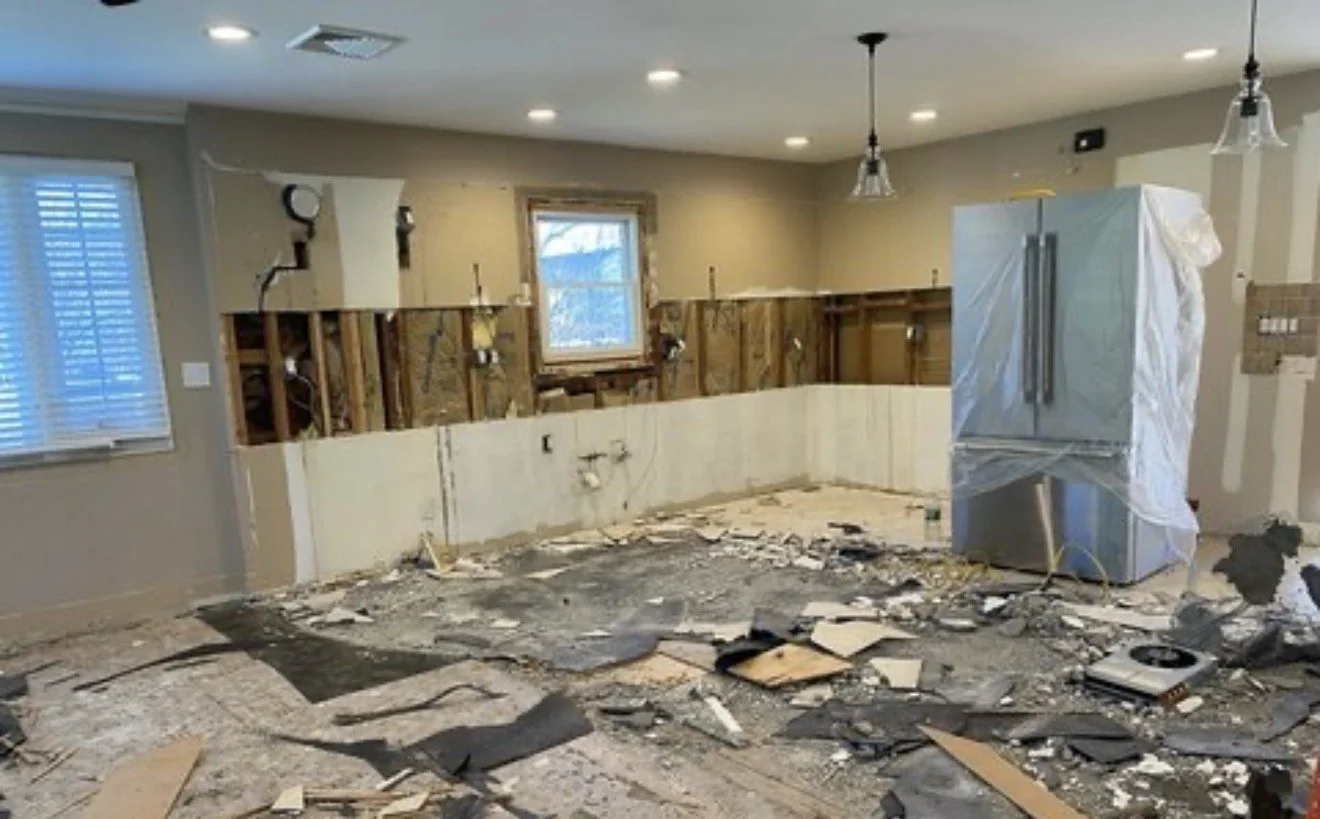
Selective demolition means removing only what needs to go. It's the opposite of tearing everything down. For example, a kitchen remodel might remove old cabinets, countertops, and flooring. The crew keeps the ceiling, windows, and nearby walls in place.
This careful approach protects the parts of your home or building you want to keep. It also saves money. You won't pay to rebuild things that never needed replacing.
Why Hazard Testing Comes Before Any Demolition
Many Bellevue homes and commercial buildings were built before the 1980s. Older materials like flooring, drywall mud, pipe insulation, and popcorn ceilings may contain asbestos. Homes built before 1978 may also have lead-based paint.
In Washington, an asbestos survey by a certified inspector is required before most renovation or demolition work. If the survey finds asbestos, it must be removed safely before demolition begins. Learn more on our Asbestos Abatement page.
How Does the Interior Demolition Process Work, Step by Step?
Most interior demolition projects follow the same basic order:
Prep the space. The crew shuts off utilities in the work area. They cover floors and seal doorways with plastic sheeting.
Set up dust control. Fans, air scrubbers, and containment barriers keep dust from spreading to other rooms.
Remove fixtures and finishes. Cabinets, appliances, flooring, and trim come out first.
Take out walls and ceilings. Non-structural walls and drywall are removed carefully, section by section.
Haul away debris. Materials are loaded into bins or trucks. Metal, wood, and concrete are often recycled.
Clean up. The crew sweeps, vacuums, and leaves the space ready for your builders.
What Demolition Safety Steps Protect Your Property?
Demolition safety is about more than hard hats. A good crew protects your property and the people around it. That means marking utility lines, using the right tools for each material, and keeping walkways clear.
For occupied homes and businesses, crews also control noise and dust. They may schedule loud work during set hours. Daily cleanup keeps the site safe and organized.
How Demolition Helps With Remodeling Preparation
Good demolition sets up a smooth remodel. When walls and floors are cleared properly, your builders can start right away. They won't waste time fixing damage or hauling leftover debris. Clean framing and exposed systems also make it easier to spot problems early, like water damage or outdated wiring.
Frequently Asked Questions
How long does interior demolition take?
It depends on the size of the space. A single bathroom or kitchen often takes one to three days. A full floor or a commercial suite can take a week or more. Hazard testing and abatement may add time before demolition starts.
Can I stay in my home during interior demolition?
Often, yes. Many homeowners stay put when the work is limited to one or two rooms. Crews seal off the work area and use dust control to keep the rest of the house livable. If asbestos or lead removal is needed, you may need to stay away from those areas until cleanup is complete.
Do I need a permit for interior demolition in Bellevue?
It depends on the scope. Removing cabinets or flooring usually doesn't need a permit. Removing walls or changing plumbing, electrical, or structure often does. Your demolition contractor can help you check with the City of Bellevue before work begins.
Ready to Start Your Bellevue Remodel?
A smooth remodel starts with safe, careful demolition. Affordable Abatement handles interior demolition, hazard testing, and asbestos removal for homes and commercial properties in Bellevue. Our crew plans every step, protects your space, and leaves it ready for your builders. Contact us today to schedule your walkthrough and get a clear, written estimate.